
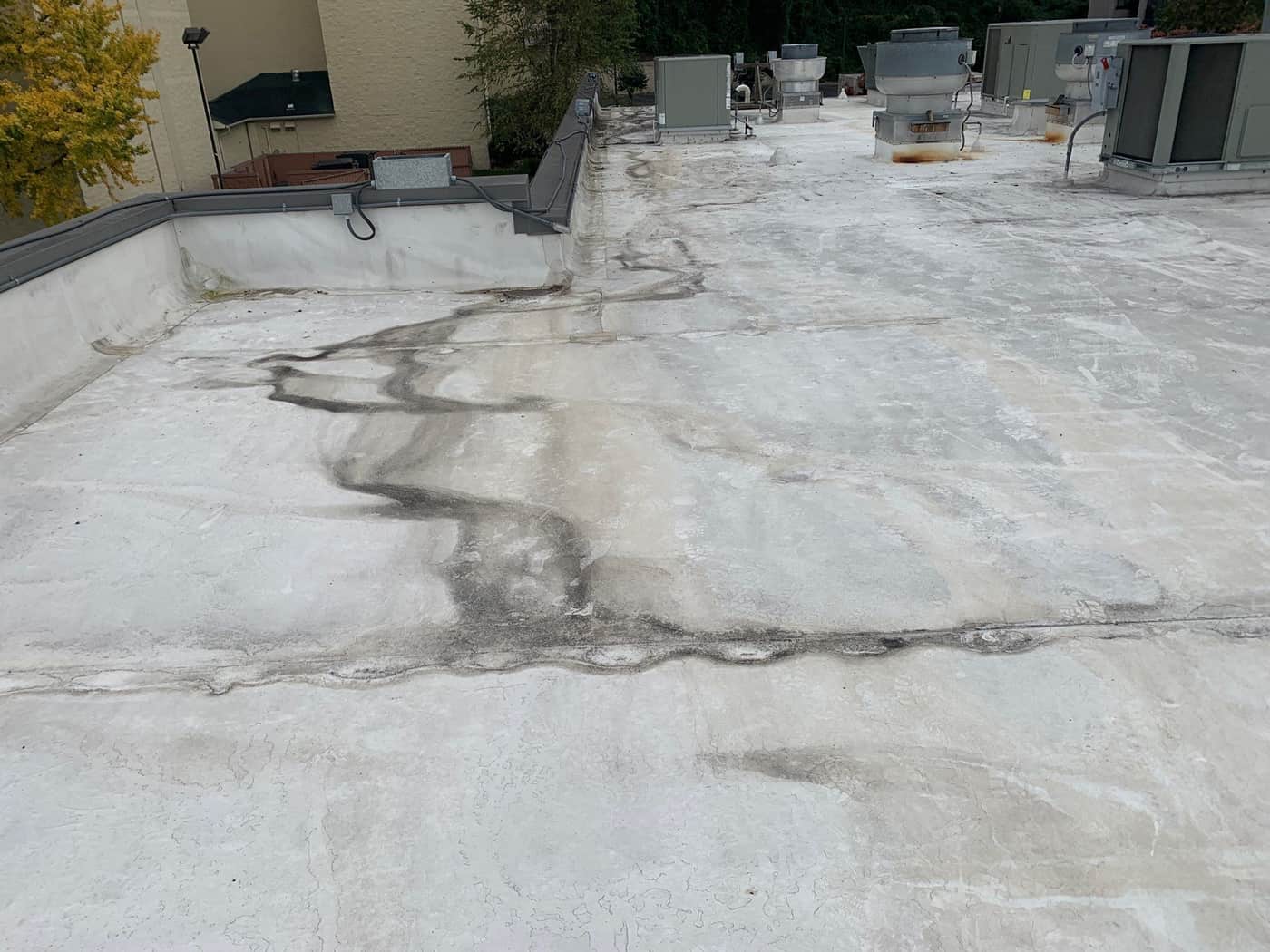
McAllen sits inland from the Gulf, but the Rio Grande Valley still sees tropical systems roll in off the Bay of Campeche and the western Gulf most hurricane seasons, and commercial roofs take the brunt of it, sustained wind, wind-driven rain, and the occasional tornado spun off a landfalling system. When a named storm causes roof damage, the insurance file usually looks different from a routine wind claim, and the roof documentation needs to match that.
We're your roofing contractor, not a public adjuster, we document and substantiate the roof damage so you and your adjuster work from an accurate scope.
Named-Storm Deductibles Change How a Claim Gets Scoped
Commercial property policies in South Texas commonly carry a separate, higher deductible that applies specifically to named storms, on top of or instead of the standard wind/hail deductible. Whether a loss gets adjusted under the named-storm provision or the standard wind provision can turn on the exact timing of the damage relative to when the storm was named and where it tracked. We log the date and time of our inspection, note visible storm conditions, and keep our documentation timestamped so the owner and their adjuster have a clear record to work from when that determination gets made.
What We Look For After a Tropical System
After a tropical storm or hurricane moves through the Valley, we check field membrane for wind uplift at the edges and corners first, since that's where commercial roofs fail fastest in sustained wind. From there we work through parapet coping, mechanical curbs, rooftop unit anchoring, pitch pockets, and any debris impact from gravel, signage, or tree limbs carried by the wind. Wind-driven rain also pushes water sideways under laps and through fastener penetrations that would never leak in a normal rain event, so we check the interior ceiling and deck for moisture even where the membrane looks intact from above.
Documenting Wind Direction and Damage Pattern
Insurance adjusters looking at hurricane and tropical-storm claims pay close attention to the damage pattern relative to wind direction, because it helps confirm the roof failed from the storm rather than from pre-existing wear. We photograph damage in the context of the roof layout, which parapet took the worst of it, which side of a rooftop unit lost its curb flashing, so the pattern is documented alongside every individual defect.
We also cross-check what the National Weather Service Brownsville/Rio Grande Valley office recorded for the storm, wind speed estimates, tornado warnings, or hurricane advisories in effect at the time, against our inspection findings, so the roof documentation lines up with the public weather record for that date.
Buildings We See This Most On
Distribution and warehouse buildings along the McAllen-Reynosa trade corridor, retail centers near Nolana Avenue and 10th Street, and multi-tenant properties in the McAllen Medical District all carry large, flat, low-slope roofs that are exposed to wind uplift across a wide field. Buildings with older mechanical curbs or roofs that were already due for recover work tend to show the most storm-related damage, which is exactly why accurate documentation matters, it separates storm damage from the roof's prior condition instead of letting the two get blended into one vague estimate.
What we document
Storm timing relative to our inspection, wind-direction damage patterns, moisture evidence at the deck, and a repair or replacement scope that reflects the true extent of tropical-system damage.
Frequently Asked Questions
Does a named storm change my roof insurance deductible?
Many South Texas commercial policies carry a separate named-storm deductible that can be higher than the standard wind/hail deductible. Whether it applies depends on your policy language and storm timing, your agent or adjuster confirms which deductible applies.
How soon after a hurricane should the roof be inspected?
As soon as it's safe to get on the roof. Early documentation captures wind-driven rain damage and debris impact before follow-up weather or routine roof traffic changes the scene.
Can wind uplift damage a roof without an obvious hole or tear?
Yes. Uplift can loosen fastener patterns, lift seams, and separate flashing at parapets and curbs without leaving a visible puncture, which is why we check edges and corners closely and confirm with interior moisture readings where leaks are suspected.
Do you handle the insurance claim for hurricane damage?
No. We inspect and document the roof and meet the adjuster on-site when asked. Filing and settling the claim is between you and your carrier or a public adjuster if you've hired one.
What if damage shows up weeks after the storm?
Wind-driven rain can push moisture into insulation and decking that doesn't show as an interior leak right away. If staining or a soft spot appears later, we re-inspect and tie the finding back to the storm date and our original documentation where possible.